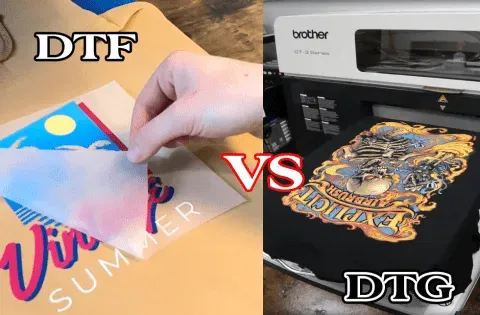
DTF vs DTG is a decision many apparel brands weigh when choosing a production method, and it sits at the heart of modern textile printing. This comparison blends practical considerations with brand strategy, highlighting how cost, speed, substrate compatibility, and design complexity influence the choice. For a wide range of brands, regional realities and sustainability concerns further shape the evaluation. DTF printing on apparel is celebrated for vibrant color on dark fabrics and broad fabric compatibility, offering a scalable option for mixed-material lines. By weighing these factors, brands can chart a practical path that supports growth, quality, and timely delivery.
Think of the choice as film-based transfers versus direct-to-fabric color application, two modern routes to decorate fabric with digital precision. Direct-to-Film printing, a film transfer approach, delivers strong fidelity on diverse fabrics, while considerations about long-term durability and hand feel differ from traditional DTG. If you’re evaluating the methods through a lens of efficiency and sustainability, you’ll find clear contrasts tailored to scale, margins, and lead times. If your strategy depends on quick setup and reprints, investing in DTF printers and inks may reduce bottlenecks, while DTG investments emphasize soft hand feel on cotton. In practice, this layered view—film transfers, direct-to-fabric inkjet approaches, and fabric-specific care—helps brands choose a path aligned with design goals and operational realities.
Frequently Asked Questions
DTF vs DTG: What are the key differences between Direct-to-Film printing and Direct-to-Garment printing?
DTF vs DTG differ in substrate compatibility, color and detail, feel, cost, and speed. DTF offers broad fabric compatibility (cotton blends, poly, performance fabrics) and strong color on dark fabrics with generally lower setup costs, making it well suited for small to mid volume runs. DTG excels on 100 percent cotton with fine detail and a soft hand feel, but it can incur higher setup costs, pretreatment requirements, and longer lead times at scale. Durability depends on proper curing and care for both methods.
How does DTF printing on apparel compare to DTG for dark fabrics?
DTF printing on apparel delivers vibrant color on dark backgrounds with less pretreatment complexity, which can reduce setup time and support quick iterations. DTG can also print on dark fabrics, but typically requires white underbase and pretreatment, and results can vary with fabric blends; when done well it yields a very soft hand feel. Overall DTF often offers more consistent performance across diverse fabrics, while DTG shines on premium cotton with intricate details.
What California DTF considerations should brands weigh when choosing between DTF vs DTG?
California DTF considerations matter when choosing between DTF vs DTG. Regional suppliers for film, powder, and inks can shorten lead times and simplify testing. The market in California often demands bold, durable color and sustainability, which can favor DTF for mixed fabrics, while premium cotton products and on demand personalization keep DTG relevant.
What should I know about DTF printers and inks for reliable results in the DTF vs DTG landscape?
DTF printers and inks are central to getting reliable, vibrant transfers. Choose a reputable printer, bonding powder, and adhesive film, and run test prints across your fabric mix to verify color fidelity and wash durability. Compare the DTF workflow to DTG in terms of setup, maintenance, and consumables to choose the best fit for your production plan.
Is the DTG vs DTF comparison tipping toward one method for mixed fabric lines?
DTG vs DTF comparison should be guided by product mix, order volume, and design complexity. For mixed fabric lines with bold colors and lower per unit costs, DTF is often advantageous. For premium cotton garments with ultra fine detail and personalized on demand, DTG may be the better choice.
| Aspect | Key Points | |
|---|---|---|
| Core differences |
“} ]},{ |
Summary
DTF vs DTG is a nuanced choice for brands evaluating apparel printing options. Both methods offer distinct strengths: DTF delivers cross-fabric versatility and vibrant color on dark garments, while DTG provides ultra-fine detail and a premium hand feel on cotton. This conclusion synthesizes the core differences, practical considerations for California brands, and guidance on choosing based on fabric mix, design complexity, volume, and budget. The recommended approach is to run small pilots for representative designs, test color fidelity and wash durability, and use the results to select a path that aligns with your brand narrative, cost structure, and growth goals. By starting with data-driven pilots, you can build a scalable printing strategy that works in California and beyond.