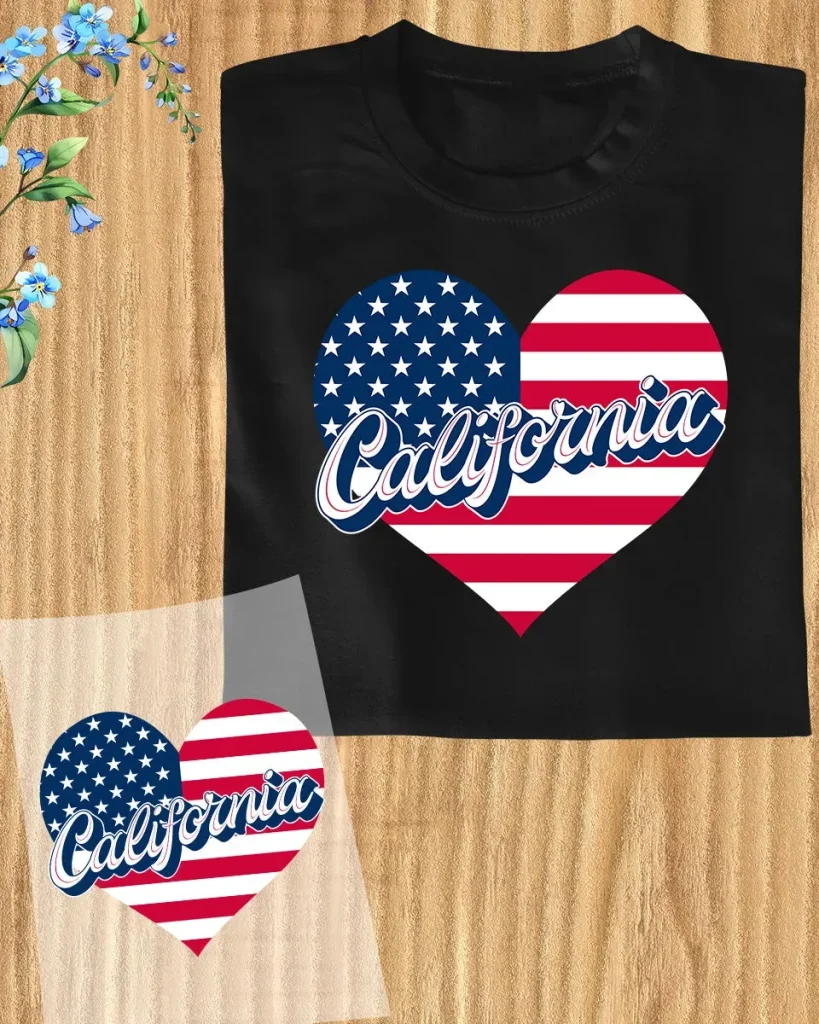
California DTF-Printed Garments have surged in popularity for their vibrant colors, exceptionally soft hand feel, and broad appeal to creators, brands, and consumers seeking bold, durable apparel that stays comfortable all day. But durability matters as much as design when investing in clothing that needs to look great wash after wash, season after season, under real-world conditions. This article dives into DTF-printed garment durability and explains what drives long-lasting prints, including ink chemistry and adhesion, fabric compatibility, and a proper curing process that anchors the design. It also highlights care tips for DTF printing and provides practical steps to support color retention and fabric integrity over time, from washing methods to drying practices. By selecting materials wisely and following sensible care routines, you can extend the life of your pieces while keeping your designs vivid and your fabrics comfortable.
In broader terms, the durability of printed fabrics rests on the transfer process itself, often described as direct-to-film (DTF) transfers or film-based ink applications that bond with the fabric. For shoppers and creators, this translates to colorfastness, feel, and washability—how well the pigment resists fading after multiple cycles. Key drivers of longevity include ink chemistry, fabric selection, and the quality of heat activation, all of which determine the garment’s wear life. To maximize performance, choose sturdier base fabrics, align garment construction with the transfer method, and follow gentle laundering and air-drying routines that protect the print.
California DTF-Printed Garments: Durability, Design, and How to Keep Colors Vibrant
California DTF-Printed Garments blend vibrant color with a soft hand, but true value comes from durability that can withstand seasons of wear and repeated washings. The durability of DTF prints hinges on ink chemistry and adhesion, fabric compatibility, and the curing process, all of which influence how well colors hold up over time. When inks are high-quality and properly formulated, they resist fading under light exposure and maintain vibrancy after washing, making California DTF-Printed Garments a reliable choice for creators and brands seeking long-lasting impact.
In the California climate, sun exposure and varied washing routines can test print longevity. Durable prints benefit from careful material selection and careful care to maximize the life of the design. Understanding the factors that drive DTF-printed garment durability helps you choose fabrics wisely and adopt care practices that preserve color, texture, and comfort for years.
Key Drivers of DTF Print Longevity: Ink, Fabric, and Curing
The longevity of DTF-printed clothing hinges on three core drivers: ink formulation, fabric compatibility, and proper curing. High-quality inks improve colorfastness and adhesion, reducing fading and edge cracking even after multiple washes. Choosing the right base fabric—cotton-rich blends or polyester blends with appropriate weight—also enhances adhesion and minimizes bleed-through, contributing to longer-lasting prints for California DTF-Printed Garments.
A consistent application process matters just as much as the materials themselves. Even layer thickness and precise heat transfer improve adhesion, while thorough curing ensures the ink binds correctly to the fabric. When these steps are aligned with climate considerations, especially in sun-drenched California, the prints stay bold longer and resist common wear patterns like cracking and peeling.
Care Tips for DTF Printing: Practical Steps to Extend Longevity
Care tips for DTF printing are essential not only for color fidelity but for protecting the printing layer during daily wear. Simple practices—turning garments inside out before washing, using cold water, and selecting color-safe detergents—significantly reduce abrasion and fiber stress that can dull or crack prints over time. These steps directly support the durability of California DTF-Printed Garments by minimizing friction that accelerates wear.
Beyond washing, mindful handling during drying and ironing helps preserve the print. Air drying or using a low heat setting on a dryer minimizes heat-induced stress. When ironing is necessary, use a protective barrier, low heat, and quick passes. Following these care tips for DTF printing ensures the colors stay vibrant and the texture remains soft and comfortable for years.
Washing Guidelines for DTF Prints: How to Preserve Color and Texture
Washing guidelines for DTF prints are designed to maintain both print integrity and fabric feel. Pre-washing a new garment can remove residual sizing that might affect adhesion, while washing DTF-printed garments with similar colors reduces friction and color transfer. Adhering to washing guidelines for DTF prints helps extend the life of the design and keeps the fabric looking fresh.
Detergent choice, water temperature, and rinse cycles all influence color longevity and ink adhesion. Using mild, color-safe detergents and cold to warm water helps preserve color and prevent dye migration. A thorough rinse ensures no detergent residues remain, which can dull prints over time and shorten the garment’s lifespan.
Storage, Ironing, and Everyday California Apparel Care for Long-Lasting DTF Garments
Effective storage and careful ironing are part of California apparel care that protects prints from unnecessary stress. Store DTF-printed garments in a cool, dry place away from direct sunlight to minimize color fade and material fatigue. Avoid folding along print lines for long periods; hanging storage helps prevent creases and keeps the surface smooth for longer durability.
Ironing and heat-press practices should be gentle and targeted. When pressing, use a protective barrier and apply low heat with quick passes to avoid scorching the design. If you use a heat press, tailor the time and temperature to the ink manufacturer’s recommendations. These storage and ironing guidelines support the longevity of DTF-printed clothing and help maintain the garment’s soft hand feel while preserving vibrant visuals.
Frequently Asked Questions
What factors influence California DTF-Printed Garments’ durability, and how do ink chemistry, fabric choice, and curing affect DTF-printed garment durability?
DTF-printed garment durability hinges on ink chemistry and adhesion, which determine colorfastness and vibrancy after washing. Fabric compatibility matters; polyester blends and cotton-rich fabrics generally bond better and bleed less, boosting durability for California DTF-Printed Garments. A proper pre-treatment and curing process ensures the ink binds to the fabric, preventing premature cracking or peeling. Routine wash and drying stress can wear down prints, so following care guidelines is essential to preserve longevity, contributing to DTF-printed garment durability.
What are the essential care tips for DTF printing to maximize the longevity of California DTF-Printed Garments under California apparel care guidelines?
Turn garments inside out before washing to shield the print, wash in cold or warm water with a mild detergent, and select a gentle cycle to protect the ink layer. Avoid bleach and fabric softeners, and use color-safe detergents that are gentler on the print. Dry on low heat or air dry whenever possible, and iron inside out with a low heat setting if needed, using a protective barrier. Following care tips for DTF printing helps preserve color vibrancy and print integrity for California DTF-Printed Garments.
Which washing guidelines for DTF prints should I follow to preserve the color and integrity of California DTF-Printed Garments?
Follow washing guidelines for DTF prints: pre-wash only if needed to remove sizing without harming the print, wash with similar colors, and use a mild, color-safe detergent. Use cold to warm water, avoid high-alkaline detergents, and ensure a thorough rinse to remove residues. Do not overload the washer to reduce friction against the print area, and monitor washing loads to protect the design.
How do drying and storage practices affect the longevity of DTF-printed clothing in California apparel care strategies?
Air drying is ideal for preserving ink and fabric feel; hang or lay flat away from direct sunlight to prevent color fading in sunny California. If you must use a dryer, choose the lowest heat setting and remove promptly to minimize heat exposure. Store in a cool, dry place away from direct sun, and avoid folding along the print line for long periods—hang when possible to prevent creases and edge peeling, supporting the longevity of DTF-printed clothing.
What practical steps can brands or consumers take to ensure durable, vibrant prints in California DTF-Printed Garments through care tips for DTF printing and washing guidelines for DTF prints?
Choose high-quality base fabrics and ensure proper curing and ink application to maximize DTF-printed garment durability. Maintain consistent heat application and layer thickness, and inspect prints for early wear signs to intervene early. Rotate wardrobe use to reduce stress on prints, spot-clean when possible, and select long-wearing inks and colorfast designs as part of a broader California apparel care strategy. By following care tips for DTF printing and washing guidelines for DTF prints, you can extend the life of California DTF-Printed Garments.
| Aspect | Key Points |
|---|---|
| What makes DTF printing durable |
|
| Durability factors for California DTF-Printed Garments |
|
| Care tips for DTF printing |
|
| Washing guidelines for DTF prints |
|
| Drying and storage considerations for longevity |
|
| Ironing and heat-press guidelines |
|
| Fabric care and longevity strategies |
|
| Real-world longevity expectations |
|
Summary
California DTF-Printed Garments offer vibrant designs with practical care to maximize durability. Durability hinges on ink chemistry, fabric choice, curing accuracy, and careful washing and storage practices. By following the care tips, washing guidelines, and longevity strategies outlined here, you can extend the life of your California DTF-Printed Garments while preserving their softness and bold colors for seasons to come. With mindful upkeep, these garments can endure daily wear while maintaining their original vibrancy.