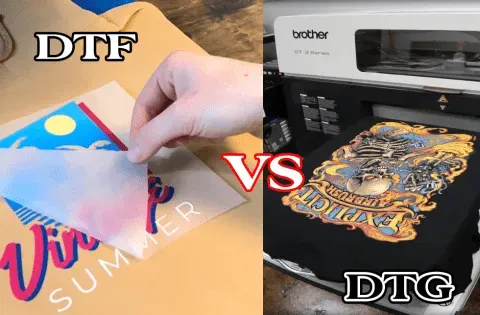
DTF vs DTG are two leading digital methods for custom apparel that are redefining how designs come to life. Each approach offers distinct advantages, limitations, and ideal use cases, so the best printing method for custom apparel—DTF printing vs DTG printing—depends on fabric mix, design complexity, order volume, and budget. For print-on-demand businesses and small apparel lines, understanding practical differences in color vibrancy, hand feel, DTF vs DTG durability, and cost is essential. This guide compares DTF printing and DTG printing across substrates, setup costs, and production efficiency to help you decide how to choose between DTF and DTG for your operation. Along the way, you’ll learn how to evaluate durability, edge detail on dark fabrics, long-term maintenance, and a cost comparison DTF DTG to guide budgeting.
From a different angle, design teams often refer to Direct-to-Film (DTF) transfers versus Direct-to-Garment (DTG) prints, or film-based transfers versus ink-into-fiber methods. Latent Semantic Indexing (LSI) principles suggest using related terms like fabric transfer processes, film transfers, ink-on-fiber printing, and digital textile printing to cover the topic comprehensively. Both approaches pursue vivid color and durability, but substrate choice, curing, and ink chemistry steer the results toward different hand feels and wash performance. For buyers evaluating options, consider workflow implications, maintenance needs, and total cost across target fabrics to choose a method aligned with your product mix and timelines.
DTF vs DTG: Understanding Substrates, Color, and Hand Feel
DTF vs DTG describes two distinct paths to achieving vibrant apparel prints. DTF uses a PET transfer film with pigment inks and a curing powder, which gives broad fabric compatibility and strong edge definition across cotton blends, poly, and synthetics. The resulting print often features a bold appearance on dark fabrics, with color that remains striking after washing thanks to the film transfer and proper finishing.
DTG, by contrast, prints directly into the fabric using water-based inks, typically delivering a soft hand on natural fibers like 100% cotton. The ink sits within the fibers, which helps create a skin-like hand feel and smooth gradients, but fabric choice and pretreatment can heavily influence color brightness and durability. The practical takeaway is that the substrate and finish define the perceived hand and color fidelity as much as the artwork itself.
DTF Printing vs DTG Printing: Color Vibrancy, Edge Definition, and Image Fidelity
DTF printing vs DTG printing often yields different color behavior. DTF tends to produce vivid, crisp edges with robust color saturation, particularly on dark garments, because the transfer film carries the pigment and is cured to bond with the fabric. This makes DTF a strong option for bold graphics and large blocks of color where edge clarity matters.
DTG shines in reproducing fine detail and subtle gradients, especially on white or light fabrics, where the ink can flow into the fibers for high-resolution photographs. However, DTG’s color brightness on darker fabrics relies on pretreatment and white underbases, which can add variability and maintenance considerations to the workflow.
Best Printing Method for Custom Apparel: Aligning Fabric, Design, and Budget
Choosing the best printing method for custom apparel often boils down to fabric mix, design complexity, and budget constraints. DTF offers versatile fabric compatibility and relatively simple stock management, which is advantageous when you work with blends, synthetics, or a wide variety of products.
DTG may be the best printing method for custom apparel when most items are 100% cotton with intricate artwork and a premium feel is desired. In that scenario, the soft hand and smooth gradient transitions can justify higher upfront and ongoing costs, especially for photography-heavy designs and white-on-dark colorways.
DTF vs DTG Durability: Wash Durability and Long-Term Performance
Durability for DTF prints is closely tied to proper curing, film quality, and post-transfer finishing. When the transfer layer is cured correctly, DTF demonstrates strong wash durability and resistance to edge lifting on dark fabrics, making it suitable for frequent washing and extended wear.
DTG durability depends heavily on fabric choice, pretreatment quality, and accurate curing. On 100% cotton fabrics with proper pretreatment, DTG can offer excellent wash resistance and color fidelity. On blends or polyester-rich fabrics, durability can vary, emphasizing the importance of material selection and maintenance to preserve image quality over time.
Cost Comparison DTF DTG: Initial Investment, Per-Unit Costs, and Maintenance
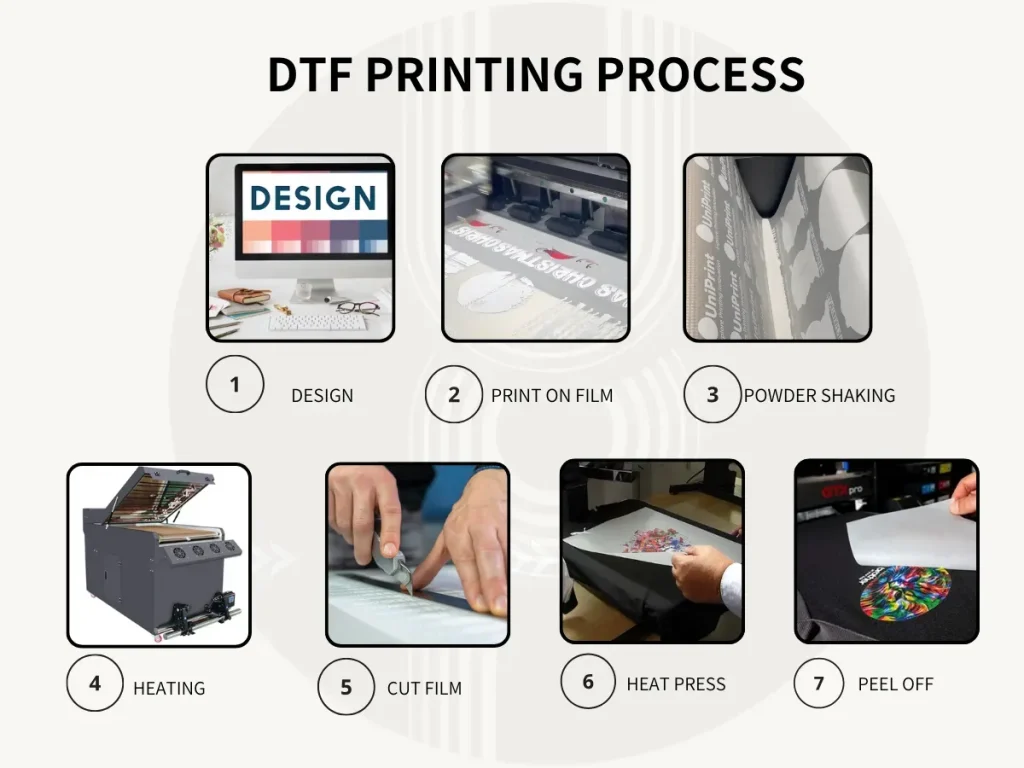
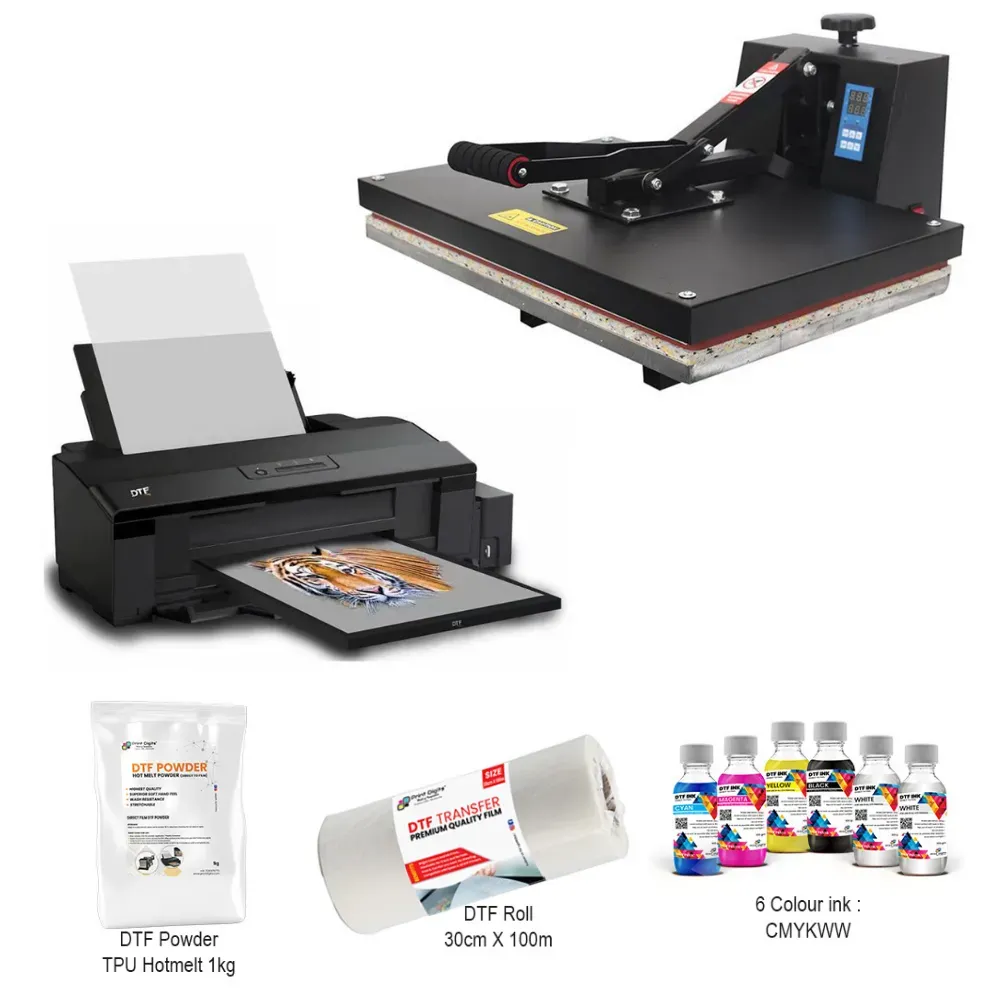
The cost comparison between DTF and DTG involves several components beyond sticker price. DTF systems require film printing, adhesive powder, curing equipment, a heat press, and a capable printer for the film, which can lead to competitive per-shirt costs in small runs once the workflow is optimized.
DTG entails higher initial investments in a textile-compatible printer, plus pretreatment supplies, curing, and ongoing maintenance. While per-piece ink costs may be higher, DTG can be cost-effective at scale with high throughput and reliable maintenance, particularly when the majority of orders are cotton-based and demand a soft hand and high detail.
How to Choose Between DTF and DTG: A Practical Decision Framework
To decide how to choose between DTF and DTG, start by evaluating your fabric mix, typical order sizes, and turnaround expectations. If you print many blends or need consistent results across diverse fabrics, DTF offers a flexible, lower-maintenance path with solid color replication.
If your focus is predominantly on cotton garments with high-detail artwork and a premium hand feel, DTG can deliver superior gradients and softness—provided you manage pretreatment and maintenance well. A practical approach often involves testing both methods on representative designs and considering a hybrid setup to optimize quality, speed, and cost for different product lines.
Frequently Asked Questions
DTF printing vs DTG printing: what’s the difference for custom apparel?
DTF printing vs DTG printing describes two digital approaches to apparel. DTF uses pigment inks printed onto a PET film, then transferred to fabric, offering strong color on a wide range of fabrics and reliable results on dark garments. DTG prints ink directly onto the fabric, delivering high detail and a very soft hand on 100% cotton, but often requires pretreatment for dark fabrics and more ongoing printer maintenance. In short, DTF is ideal for blends and bold color on dark garments, while DTG excels with cotton-focused runs and photographic detail.
DTF vs DTG durability: which holds up better in washing?
Durability depends on curing, fabric, and post-processing. DTF prints tend to be robust when the transfer is properly cured and adhesives are correctly applied, maintaining edge sharpness on many fabrics. DTG durability is strong on 100% cotton with proper pretreatment and curing, but performance can vary on blends or polyester-rich fabrics. Proper care and following manufacturer guidance are key for both methods.
Cost comparison DTF DTG: which is more cost-effective for small runs?
For small runs and design variety, DTF can offer competitive per-piece costs due to its flexible color management and broad fabric compatibility, though film, powders, curing, and transfer steps add up. DTG often requires a higher upfront investment in a textile printer and ongoing costs for ink, pretreatment, and maintenance, which can raise per-shirt costs in low-volume scenarios. In many cases, DTF is more economical for small runs, while DTG becomes cost-effective with steady cotton-heavy throughput and good maintenance.
How to choose between DTF and DTG for your business?
Start with your fabric mix, typical order size, and design needs. If you print blends or prioritize bold colors on dark fabrics, DTF offers versatility and simpler color management. If most orders are 100% cotton with photographic imagery and a soft hand, DTG can deliver superior detail. Evaluate total cost per piece, including ink, film, pretreatment, labor, and maintenance, and consider a possible hybrid setup to balance quality, speed, and cost.
DTF printing vs DTG printing on dark fabrics: which delivers better color and edge definition?
DTF generally delivers brighter colors and crisper edges on dark fabrics due to the transfer layer and film-based process. DTG on dark fabrics requires pretreatment and white underbase tuning to achieve brightness, and may feel less edge-shurdy if not optimized. For bold, durable edges on dark garments, DTF is typically the more reliable option.
Best printing method for custom apparel: DTF vs DTG?
For a universal solution across fabrics with strong color on dark garments, DTF is a solid choice. For cotton-focused lines, high-fidelity imagery, and a very soft hand, DTG is often preferred. Many shops adopt a hybrid approach, using DTF for mixed fabrics and DTG for cotton-heavy items to optimize quality, speed, and cost.
| Aspect | DTF | DTG |
|---|---|---|
| Substrates / Fabric Compatibility | Broad range: cotton, polyester blends, synthetics; film transfer simplifies ink variety and supports diverse fabrics. | Best on 100% cotton and light fabrics; dark fabrics require pretreatment; excels with natural fibers. |
| Color & Hand Feel | Bright colors, crisp edges; transfer layer can add slight texture; with proper cure, texture is usually minimal. | High resolution, smooth color gradients; extremely soft hand as ink sits in fibers; requires careful tuning on darks (white underbase). |
| Durability & Wash Performance | Strong wash durability when properly cured; robust on dark fabrics with good edge definition. | Durable on 100% cotton with proper pretreatment and curing; performance can vary on blends/poly. |
| Setup & Production Efficiency | Transfer workflow with film printing, adhesive powder, curing, heat press; favorable for small runs and quick turnarounds; broad fabric compatibility reduces pretreatment needs. | Dedicated textile printer, pretreatment, curing, ongoing maintenance; higher upfront cost; efficient at high-volume cotton runs with proper upkeep. |
| Best Use Cases | Mixed fabric runs, small batches, complex color palettes; strong results on dark fabrics and large graphics. | High color fidelity on 100% cotton; photo-heavy designs and on-demand printing with soft hand. |
| Limitations / Trade-offs | Slight transfer texture on some fabrics; an extra transfer step; durability depends on curing and film quality. | Pretreatment required on dark fabrics; maintenance and ink costs can be higher; texture is minimal but care needed for color accuracy. |
| How to Decide for Your Business | Assess fabric mix, order size, and turnaround needs; suitable for blends and dark fabrics with flexible color management; cost per piece varies with setup. | Evaluate fabric type, typical order size, and design needs; weight toward cotton and photographic artwork; consider upfront costs and long-term maintenance. |
Summary
HTML table above explains the key points of the base content in English. The table compares DTF and DTG across substrates, color/hand feel, durability, setup, use cases, limitations, and decision guidance. A descriptive conclusion follows to summarize and optimize for SEO on the topic.