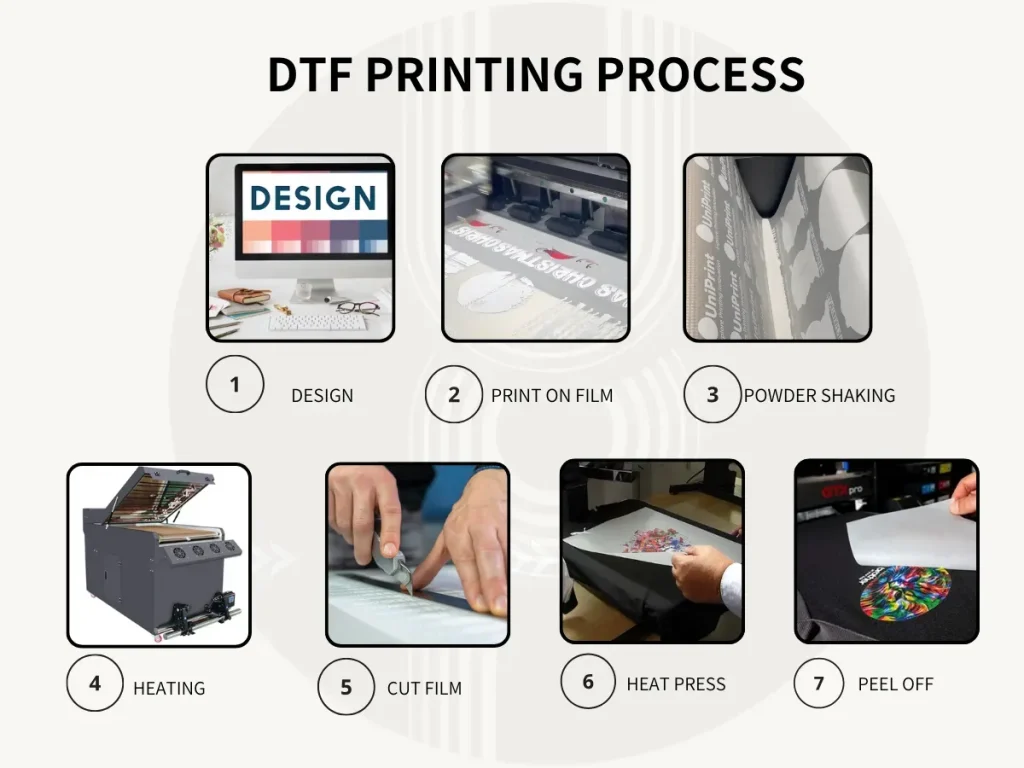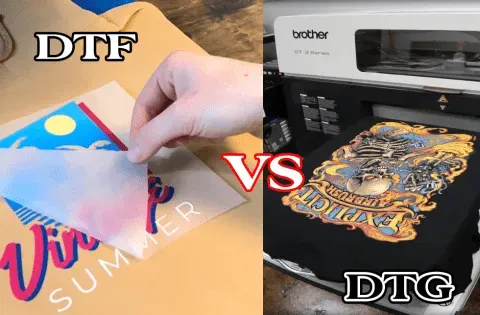
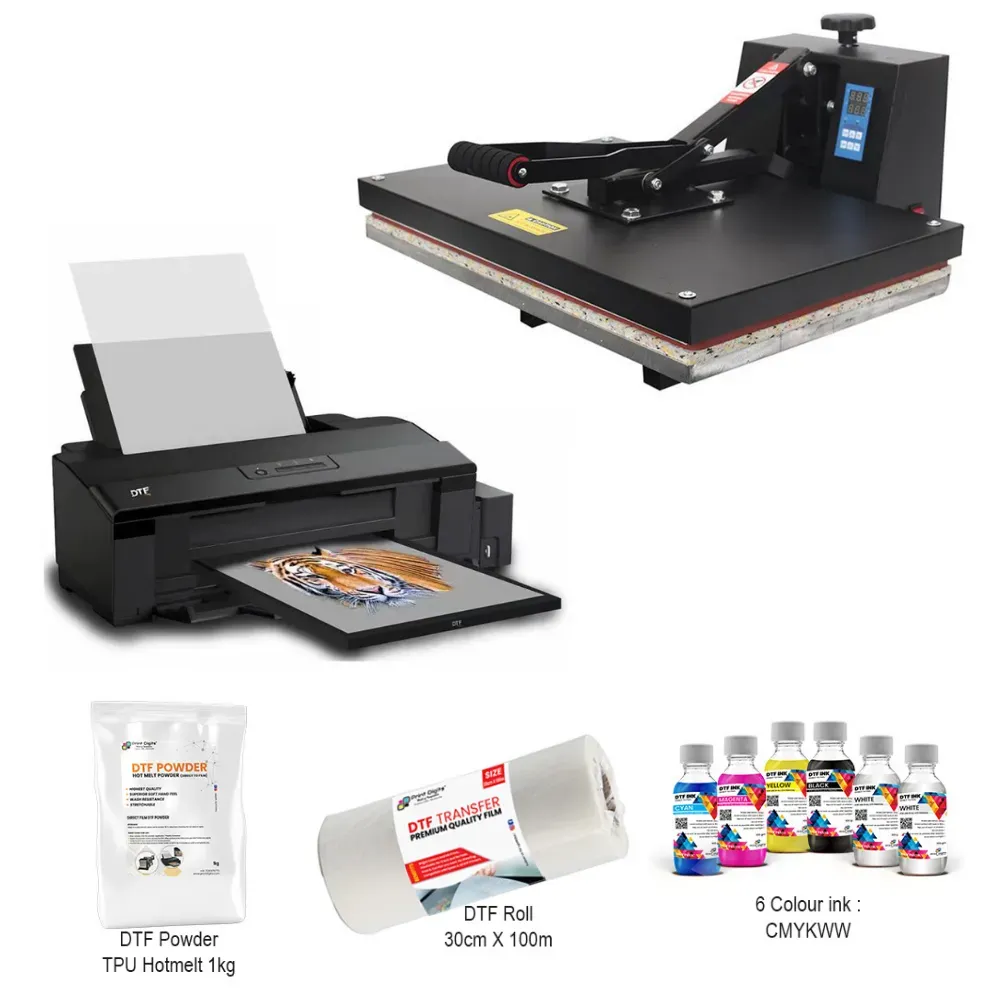
DTF printing setup is more than buying a printer and a heat press; it’s about building a reliable, repeatable process that delivers high-quality transfers with efficiency and minimal waste. A well-designed system harmonizes the DTF printer setup with dependable ink and media choices to reduce downtime and color drift. Choosing the right DTF transfer film is essential for sharp images, while ensuring DTF ink compatibility maintains consistent color and adhesion. A heat press for DTF with even temperature, uniform pressure, and adjustable dwell times ensures repeatable finishes. When you align these elements with a streamlined DTF workflow optimization across prepress, printing, powdering, and finishing, scalability follows.
From a broader perspective, the same topic can be framed as direct-to-film production workflows, fabric transfers, or garment decoration via film-based imaging. Other terms like film-based transfer systems, DTF process optimization, and substrate compatibility convey the same idea to readers who search using different keywords. Think of the setup as coordinating printers, powders, and press equipment in a controlled workflow that yields repeatable results regardless of the material. By describing goals such as color accuracy, throughput, and waste reduction with alternative language, you align with LSI principles and improve discoverability. In short, a well-planned film-to-press sequence, matched with the right inks and substrates, creates a scalable textile transfer system.
DTF Printing Setup: Building a Reliable Foundation
DTF printing setup is more than buying a printer and a heat press; it’s about designing a repeatable system that consistently produces high-quality transfers while minimizing waste. To build this foundation, start by mapping the five core elements: the printer setup and firmware compatibility, compatible inks, the transfer film, the powder adhesive, and the heat transfer equipment that seals the print. When these pieces are selected with consistent performance in mind, you create a workflow that reduces downtime and yields predictable results across jobs.
Beyond hardware, space, SOPs, and documentation matter. A robust DTF printing setup extends into your workspace—clear zones for printing, powdering, curing, and finishing. Document color management, font choices, and standard operating procedures to ensure the same results across shifts. Establishing visual standards, clean zones, and inventory controls helps ensure reproducibility and lends itself to future optimization. With a solid baseline in place, you can focus on efficiency gains, such as reducing misprints and improving color consistency, without sacrificing quality.
DTF Printer Setup: Selecting the Right Equipment for Colorful, Durable Transfers
Your DTF printer setup should begin with a model designed for indirect-to-film workflows, featuring reliable nozzle health, stable printheads, and firmware that plays nicely with your RIP and ICC profiles. When evaluating options, consider bulk ink supply compatibility, maintenance features that minimize downtime, and the ability to support wide media and long print runs. A well-chosen DTF printer setup reduces color drift and offers a clearer path to scalable production.
In addition to the printer body, match the rest of the chain: ink, film, and powder compatibilities, plus a pathway to routine maintenance. Look for printers that provide easy access to swappable components and proven reliability in real-world shops. Design the setup so you can train operators quickly, perform quick head-cleanings, and keep the system running smoothly between jobs.
DTF Transfer Film and Ink Compatibility: Achieving Crisp, Consistent Imagery
The quality of DTF transfers starts with the transfer film. Choose a film with good release properties, optical clarity, and minimal edge curling that matches your printer’s ink chemistry. Pair the right film with inks formulated for direct-to-film use to maximize color density, avoid color shifts, and reduce ghosting on a variety of fabrics. Fine details and smooth gradients depend on film and substrate interactions, so test samples across typical garments.
DTF ink compatibility matters every step of the process. Use inks with stable dye or pigment chemistry, predictable curing times, and controlled viscosity to ensure even coverage. Consistency in ink flow reduces banding and misregistration, especially when printing long runs or challenging textures. Keep a log of ink lots and maintain a schedule for nozzle checks so that color integrity remains high across batches.
Powder Adhesive, Curing, and the Heat Press: Locking in Transfers
After printing, powder adhesion is the next critical stage. A reliable powder system distributes adhesive evenly and cures at temperatures and times that suit your media and fabrics. Inconsistent powder coverage leads to uneven transfers, surface speckling, or lift at wash. Calibrate your curing step, match temperature profiles to the film and adhesive, and run test garments to confirm edge-to-edge adhesion before batching large orders.
Heat press for DTF: Achieving uniform temperature and pressure across large areas is essential. A press designed for DTF should offer precise temperature control, adjustable dwell times, and even pressure distribution to prevent ghosting or misalignment. Develop a standard pressing protocol—pre-heat, apply, dwell, and cool—so every transfer matches your quality benchmark. Documenting platen conditions and calibration helps keep results consistent over time.
Workspace Layout and DTF Workflow Optimization: Designing Efficient Production
A well-designed workspace reduces handling time and minimizes cross-contamination. Create distinct zones for printing, powdering, curing, and finishing, with a logical flow that minimizes backtracking. A linear or U-shaped layout helps finished prints move smoothly toward the finishing area, while dedicated dust-control measures and cleanable surfaces prevent powder from compromising print quality. Good lighting and ergonomic workstations support faster, more accurate work without fatigue.
DTF workflow optimization comes from aligning people, equipment, and processes. Use standardized color management and job-ticketing, and document step-by-step procedures to eliminate guesswork. Maintain a simple inventory system so that materials—transfer film, powders, and garments—are easy to locate. With a clear workflow, training is faster, throughput climbs, and waste decreases as you scale.
Quality Control, Maintenance, and Scaling Your DTF Printing Setup
A robust DTF printing setup includes ongoing quality control checks at every stage. Implement quick visual inspections of printed films, powder adhesion, and the final transfer, and keep production logs with job details, material lot numbers, and operator notes. Regular calibration of the printer, film stock testing, and heat press performance checks ensure you catch deviations before they affect customers.
Scaling your DTF printing setup means planning for more capacity without sacrificing consistency. Consider adding an additional printer, a second heat press, or a dedicated powder application station, but do so with workflow optimization in mind. Periodic reviews of your space layout, maintenance schedules, and supplier performance help you anticipate bottlenecks and maintain on-time delivery as demand grows.
Frequently Asked Questions
What is the DTF printing setup, and why is it more than just buying a printer and a heat press?
DTF printing setup is a repeatable system that covers equipment, workspace, and a documented workflow. In a robust DTF printer setup, you align the printer, transfer film, ink compatibility, powder adhesive, and heat press for consistent results, efficiency, and lower waste. This holistic approach enables scalable production and predictable color and throughput, i.e., DTF workflow optimization in practice.
How do I choose the best DTF transfer film for a robust DTF printing setup?
Choose a DTF transfer film with strong release, optical clarity, and good compatibility with your printer, ink, and powder adhesive. The right film minimizes ghosting and edge curl, helping your DTF printing setup deliver sharp transfers and consistent results.
What role does DTF ink compatibility play in a successful DTF printing setup?
DTF ink compatibility ensures stable viscosity, reliable curing times, and consistent color across fabrics. Use inks engineered for direct-to-film, verify low odor and wash-fastness, and run routine tests to maintain print quality within your DTF printer setup.
What should you look for in a heat press for DTF within a complete DTF printing setup?
Select a heat press for DTF that provides uniform temperature across the platen, adjustable dwell times, and reliable pressure; ensure it handles your typical garment sizes. A compatible heat press minimizes misprints and improves transfer consistency in your DTF printing workflow.
How can you implement DTF workflow optimization to boost throughput and consistency?
Map the entire process from prepress to finishing, standardize color management with ICC profiles, calibrate media, and use a documented SOP. Incorporate a RIP workflow to lock color, schedule powdering and curing, and track production metrics to identify bottlenecks—this is DTF workflow optimization in action.
What are common pitfalls in DTF printer setup and how can I avoid them?
Common issues include inconsistent ink flow, powder adhesion problems, transfer misalignment, and heat press variability. To avoid them, perform regular nozzle checks, ensure even powder application, use alignment templates, calibrate the heat press, and maintain a materials library for fabric compatibility.
| Aspect | Key Points |
|---|---|
| Overview |
|
| Equipment Essentials |
|
| DTF Printer Setup |
|
| DTF Transfer Film & Media |
|
| DTF Ink Compatibility |
|
| Powder Adhesive & Curing |
|
| Heat Press for DTF |
|
| Workspace & Layout |
|
| Workflow Optimization |
|
| Quality Control & Documentation |
|
| Maintenance & Calibration |
|
| Common Pitfalls |
|
| Budget-Friendly Getting Started |
|
| Advanced Tips |
|
| Notes & Checklists |
|
Summary
DTF printing setup is a deliberate, end-to-end system where the right equipment, workspace design, and workflow come together to deliver reliable, high-quality transfers. A well-designed DTF printing setup aligns printer capability, film and ink compatibility, powder adhesion, and a dependable heat press with a thoughtful workspace and documented processes to maximize throughput and minimize waste. Beyond the hardware, it emphasizes organized zoning, clean production areas, ergonomic workstations, and clear standard operating procedures to support consistent results across shifts and growing demand. Regular testing, logging, and iteration keep color accuracy, adhesion strength, and wash durability at the forefront, enabling scalable production and dependable outcomes for customers.